Cat Canine Teeth: What Owners Need to Know
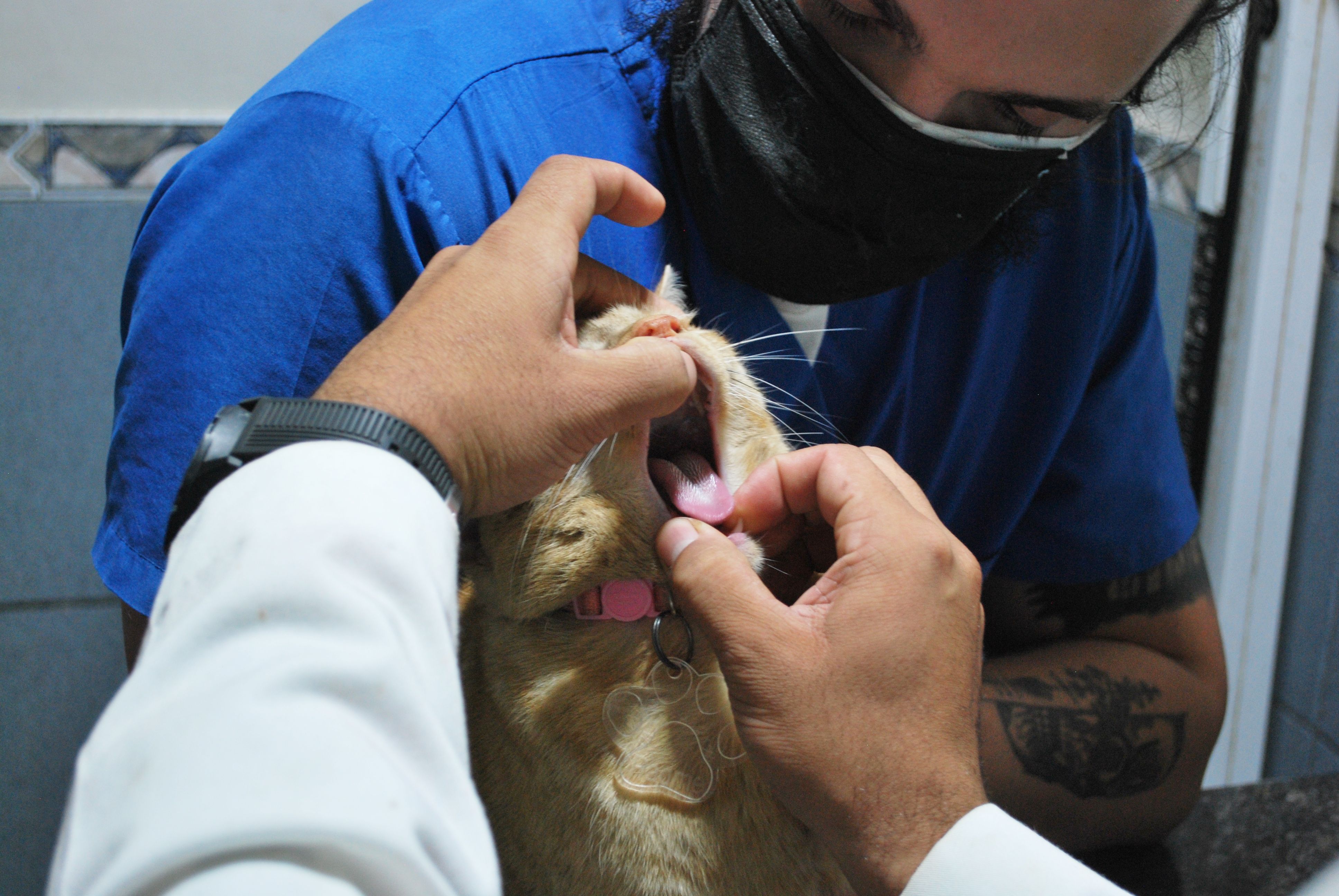
Cat Canine Teeth: What Owners Need to Know
If you have ever taken a close look at your cat’s mouth, you have probably noticed the impressive, slightly curved teeth at the front corners of the upper and lower jaws. These are your cat’s canine teeth, sometimes called “fangs” for their sharp, pointed appearance. Cat canine teeth play an essential role in your feline’s day-to-day health, from eating and grooming to defending themselves if needed. When problems arise with these teeth, your cat may experience discomfort, changes in behavior, or even serious health complications. At Express Vets North Canton, we know how important it is for North Canton and surrounding community pet owners to be informed about feline oral health. In this blog, we will explore why cat canine teeth matter, how to recognize common dental issues, what causes them, and how you can help your cat maintain a healthy, pain-free smile all year long.
How to Recognize Problems with Cat Canine Teeth
Cat owners are often the first to notice when something is not quite right with their feline’s mouth. Dental issues can be subtle, but there are several telltale signs to watch for that may indicate a problem with your cat’s canine teeth. You might see your cat pawing at their face or mouth, or they may seem reluctant to eat dry food, preferring softer options. Other signs can include drooling, bad breath, or even visible swelling around the mouth. In some cases, your cat may hide more often or act irritable due to oral discomfort. If you ever notice bleeding from the gums, broken or discolored canine teeth, or a sudden change in eating habits, it is time to take a closer look. Any of these symptoms may be a sign that your cat’s canine teeth need veterinary attention.
Subtle Signs Owners Might Overlook
Some dental problems in cats are less obvious. For example, you might notice your cat tilts their head to the side when chewing, drops food while eating, or grooms less frequently. Cats are experts at hiding pain, so even minor changes in behavior could signal trouble. Keep an eye out for a decrease in playfulness, sudden aggression when you touch their face, or persistent foul odors from the mouth. These changes can be clues that your cat’s canine teeth are causing discomfort, even if there are no dramatic symptoms.
Why Are Cat Canine Teeth So Important?
Cat canine teeth do more than give felines their signature fierce look. These teeth are perfectly designed for their natural diet and behaviors. Canine teeth help cats grasp, puncture, and tear their food, especially when eating prey in the wild. In domesticated cats, these teeth are still essential for eating kibble, tearing treats, and grooming themselves. Healthy canines also play a role in social interactions and self-defense if a cat feels threatened. Because these teeth are so important, any injury, infection, or disease affecting them can have a big impact on your cat’s overall health and quality of life.
Anatomy and Function of Cat Canine Teeth
Each feline canine tooth is anchored deeply in the jaw and equipped with sensitive nerve endings. This anatomy makes them both powerful tools and potential sources of pain if damaged. The roots are much longer than what you see above the gumline, so problems below the surface can easily go unnoticed until they become severe. That is why regular veterinary dental exams are so important for catching issues early.
Common Causes of Canine Tooth Problems in Cats
Several factors can contribute to issues with cat canine teeth. Trauma is one of the most common causes, and it can happen as a result of falls, rough play, or biting on hard objects. Dental disease is another frequent culprit; plaque and tartar buildup can lead to gingivitis, periodontal disease, and eventual tooth loss if left untreated. In some cats, resorptive lesions can develop, where the tooth structure breaks down from within, leading to pain and instability. Other causes include congenital defects, malocclusion (misalignment of the teeth), and even some viral diseases that affect the gums and oral tissues.
Conditions that Affect Cat Canine Teeth
Feline odontoclastic resorptive lesions (FORLs) are especially common in cats and often affect the canines. This painful condition can cause the tooth to erode from the root upward, sometimes leaving only a painful stump. Periodontal disease, which often starts with gingivitis, can progress to affect the tissues and bone supporting the canine teeth, leading to mobility or loss. Fractured canine teeth are also a risk, especially in adventurous or outdoor cats. Any of these issues can make daily activities like eating or grooming uncomfortable for your cat.
Professional Treatment for Cat Canine Teeth Issues
When a problem is detected with your cat’s canine teeth, the first step is a thorough oral examination by a veterinary professional. Our team of veterinarians at Express Vets North Canton has the training and equipment to safely evaluate your cat’s mouth. In many cases, sedation or anesthesia is necessary to fully examine the mouth, take dental X-rays, and provide treatment without stress or pain for your cat.
Treatment approaches depend on the underlying issue. For mild cases of plaque or tartar buildup, a professional dental cleaning can remove debris and bacteria from the tooth surfaces and below the gumline. If infection or advanced periodontal disease is present, antibiotics or targeted therapies may be prescribed. For fractured or resorptive teeth, extraction of the affected canine may be the best option to relieve pain and prevent further complications. Our veterinary team will always discuss the options and recommend the best course of action for your cat’s individual needs.
What to Expect During a Veterinary Dental Procedure
A typical dental procedure begins with a physical exam to ensure your cat is healthy enough for anesthesia. The veterinary team will monitor your cat throughout the procedure, perform a detailed oral assessment, and use specialized tools to clean and treat the teeth. If extractions are necessary, pain management and aftercare instructions will be provided to ensure a smooth recovery. Most cats return to their normal routines quickly after dental procedures, often with improved comfort and appetite.
Preventing Cat Canine Teeth Problems at Home
While some dental issues cannot be avoided, there are steps you can take at home to protect your cat’s canine teeth. Regular tooth brushing with a cat-safe toothpaste is one of the most effective ways to reduce plaque buildup. Dental treats and diets formulated to promote oral health can also help keep teeth cleaner between professional visits. Encouraging safe play and avoiding hard toys or objects that could damage teeth is important, especially for energetic cats.
It is also helpful to get your cat accustomed to having their mouth handled from a young age. Gently lifting the lips to check the teeth and gums can make dental exams and home care much easier. If you notice any changes in your cat’s eating habits, breath, or behavior, schedule an appointment promptly so potential issues can be addressed before they become severe.
Building a Dental Care Routine
Consistency is key when it comes to feline dental care. Aim to brush your cat’s teeth several times a week, and schedule regular veterinary checkups to catch problems early. Combining professional care with at-home maintenance gives your cat the best chance for lifelong oral health.
When to Seek Veterinary Care for Cat Canine Teeth
Not every dental issue can be managed at home, and prompt veterinary attention is critical when certain symptoms arise. If your cat stops eating, refuses to drink, or shows signs of obvious pain, do not wait to contact your veterinarian. Sudden swelling, bleeding, or a visible fracture of the canine tooth requires immediate evaluation. Even if the signs are subtle, persistent bad breath, drooling, or changes in grooming habits should prompt a visit to your veterinary team.
For North Canton pet owners, Express Vets North Canton is here to help with all your cat’s dental health needs. Our veterinary professionals are skilled in diagnosing and treating a wide range of feline oral health concerns, including those affecting cat canine teeth. Early intervention can prevent complications and help your cat live a more comfortable, happy life.
Protecting Your Cat’s Smile in North Canton
Understanding the importance of cat canine teeth is the first step toward keeping your feline companion happy and healthy. By watching for signs of trouble, providing consistent home care, and partnering with a trusted veterinary team, you can help your cat avoid painful dental problems throughout their life. Remember, dental disease does not just affect the mouth; it can impact your cat’s entire body, so regular veterinary dental exams are essential.
If you are searching for a vet near me who truly understands the needs of cats and their owners, look no further than Express Vets North Canton. Our team of veterinarians is dedicated to providing compassionate, expert care for every feline patient. To schedule a dental exam or get advice about your cat’s canine teeth, call us at (678) 493-5288 or visit us in North Canton, OH. Your cat’s smile deserves the best year-round protection, and we are here to help every step of the way.
This blog is intended for educational purposes only and does not replace professional veterinary advice. If you have concerns about your cat’s oral health, please consult your veterinarian for personalized recommendations.